

Introduction
Bow hunting is one of the most challenging and rewarding forms of hunting. Unlike firearm hunting, bow hunters must get much closer to their target, making concealment a critical part of a successful hunt. Every movement matters, and remaining hidden can be the difference between a successful harvest and a missed opportunity.
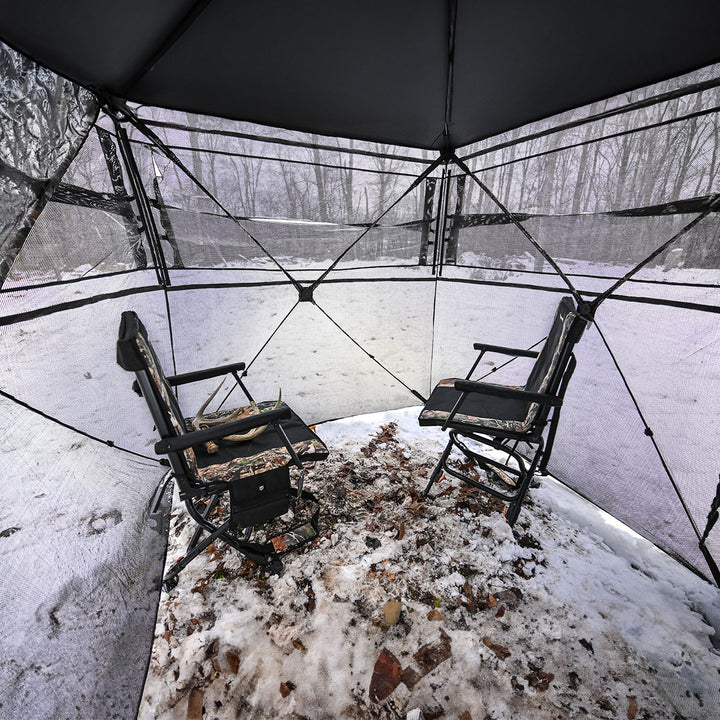
A hunting blind provides bow hunters with the concealment, comfort, and confidence needed to stay undetected while waiting for game. Modern hunting blinds are lightweight, durable, and designed to blend naturally into the environment, making them an essential piece of equipment for hunters of all experience levels.
Why Hunting Blinds Are Important
Wild animals depend on their excellent eyesight, hearing, and sense of smell to detect danger. Deer, in particular, are extremely alert and can quickly notice even the slightest movement.
Using a hunting blind offers several important advantages:
-
Conceals movement from wildlife.
-
Provides protection from changing weather.
-
Creates a comfortable place to wait for game.
-
Improves focus during long hunting sessions.
-
Increases the chances of getting within bow range.
These benefits make hunting blinds an excellent investment for anyone interested in bow hunting.
Features to Look for in a Hunting Blind
Choosing the right hunting blind requires careful consideration of several key features.
Spacious Interior
Bow hunters need enough room to draw a bow comfortably without hitting the sides of the blind. Extra space also allows for backpacks, chairs, and additional gear.
Durable Construction
Strong fabric and sturdy support poles help the blind withstand rain, wind, and repeated outdoor use.
Quiet Materials
A quality hunting blind uses fabric that minimizes noise during movement, helping prevent wildlife from becoming alert.
Adjustable Windows
Large shooting windows allow hunters to monitor wildlife while providing flexible shooting angles.
Lightweight Design
Portable blinds are easier to transport between hunting locations and can be moved quickly when necessary.
Benefits of Ground Blinds for Bow Hunting
Many experienced hunters prefer ground blinds for bow hunting because they offer excellent concealment while providing enough space for drawing a bow.
Better Concealment
Ground blinds help hide the hunter’s movement and silhouette, making it easier to remain unnoticed by cautious game animals.
Comfortable Hunting
Long hours in the field become more enjoyable when protected from rain, wind, and direct sunlight.
Flexible Placement
Ground blinds can be placed near deer trails, feeding areas, food plots, bedding locations, and water sources.
Safe Hunting Option
Unlike tree stands, ground blinds eliminate climbing risks, making them suitable for hunters of all ages.
Suitable for Beginners
Ground blinds are simple to set up and easy to use, making them ideal for hunters who are new to bow hunting.
Why Hunters Choose a Camo Blind
A camo blind is designed to blend naturally into forests, grasslands, and other hunting environments. Camouflage patterns reduce visibility and help hunters remain hidden from approaching wildlife.
Natural Appearance
Modern camouflage designs imitate leaves, branches, bark, and vegetation, helping the blind disappear into its surroundings.
Increased Hunting Opportunities
Better concealment often allows deer and other animals to approach closer before detecting danger.
Versatile Performance
A camo blind can be used in a wide variety of hunting environments throughout the season.
Suitable for Multiple Game Species
Whether hunting deer, turkey, wild hogs, or predators, a camo blind provides effective concealment for many different hunting situations.
Tips for Choosing the Right Hunting Blind
Consider Interior Size
Select a blind that offers enough room for comfortable movement and full bow draw.
Check Window Placement
Well-positioned windows provide better visibility and allow hunters to react quickly when game approaches.
Evaluate Portability
Hunters who frequently move between locations should choose lightweight designs that fold into compact carrying bags.
Select Durable Materials
Weather-resistant construction helps extend the lifespan of the hunting blind.
Match the Environment
Choose a camouflage pattern that closely matches the terrain where you plan to hunt.
Best Practices for Blind Placement
Scout Before Hunting
Locate deer trails, feeding areas, bedding locations, and water sources before placing your blind.
Blend Into Natural Cover
Although camouflage helps, adding nearby branches, grass, and leaves further improves concealment.
Set Up Early
Placing the blind several days before hunting allows wildlife to become familiar with its appearance.
Watch Wind Direction
Always position the blind so your scent is carried away from expected animal movement.
Maintaining Your Hunting Blind
Proper care helps your hunting blind perform well season after season.
After each hunt, remove dirt, leaves, and mud from the fabric and frame. Allow the blind to dry completely before storage to prevent mold and mildew.
Regularly inspect poles, hubs, zippers, windows, and tie-down straps for wear. Repairing minor damage early helps prevent larger problems later.
Store the blind in a cool, dry location to maximize its lifespan and keep it ready for the next hunting season.
Conclusion
A quality hunting blind can greatly improve comfort, concealment, and overall hunting success. Whether you are selecting ground blinds for bow hunting for their spacious design or choosing a dependable camo blind that blends naturally into the environment, the right equipment helps you stay hidden and focused throughout your hunt. By selecting a durable blind, placing it in a strategic location, and maintaining it properly, you can enjoy more productive hunting trips and create memorable outdoor experiences for years to come.
